 knacksnews
3 Essential Accessibility Tech Tools That Make Work More Manageable
Managed work can be taxing, particularly for people with cognitive difficulties, chronic illness, or just the stresses of a hectic schedule. Instruments for accessible technology have made job simplification and increased production easier. They simplify work life, from making sure you keep on track during meetings with live captioning to using AI assistants to clarify difficult conversations.
Calendly and other scheduling tools provide easy connectivity with several calendars, reducing the stress of double-booking and missing appointments. Instruments not only increase effectiveness but also lower cognitive burden, thereby enabling people to concentrate on what is important. Look at three crucial accessibility tech tools that might greatly affect your workflow.

3 Essential Accessibility Tech Tools To Make Work Easier To Manage
Below are the three essential accessibility tech tools that can significantly improve productivity and make work easier to manage.
Live Captioning
Though remote work gives freedom, meetings can sometimes provide difficulties. Many people find it taxing to keep up with extended sessions, especially when they need to follow what's being said without getting distracted by taking notes. A great tool to address this issue is live captioning, which offers real-time text versions of spoken words during video conferences. For those who find it difficult to assimilate information rapidly in meetings, this helps. Captioning helps one remain attentive and catch significant facts. Live captions are supported at well-known video conferences, including Zoom, Google Meet, Microsoft Teams, and Webex. Tool not only makes meetings more accessible but also aids with other materials, including presentations or YouTube videos. Live captions simplify understanding and follow along by giving instant access to material without waiting for a transcript or summary. For people who find spoken words challenging, captions can be quite helpful.
AI Meeting Assistants
For those with brain fog, tiredness, or focus problems, meetings can be taxing. However, live captions aid, protracted sessions, or unpleasant conversations can still be challenging to follow. Otter and other artificial intelligence meeting assistants handle this by automatically creating transcripts and summaries, therefore facilitating the key point catching-up process. These instruments also help to arrange action items, therefore saving participants from sorting through pages of notes.
Key Benefits of AI Meeting Assistants
- Reduced Cognitive Load: AI meeting aides break down protracted conversations into smaller, more doable chunks, relieving mental pressure. This enables participants to better absorb important points without becoming overburdened by data load.
- Enhanced Focus: AI solutions enable consumers to remain involved without becoming distracted by offering rapid, succinct summaries. Even if participants miss some of the talk, summaries help them to follow along readily.
- Time-Saving: AI assistants create concise, actionable summaries that save time rather than going over hours of logged meetings. Users can rapidly scan for important topics to save time on pointless minutiae.
- Organized Follow-Up: AI tools create action items, which facilitates task tracking and next-step planning. This system guarantees that nothing crucial is overlooked, therefore enabling users to keep their obligations under control without sorting through convoluted notes.
Artificial intelligence aids also increase accessibility by allowing those with cognitive difficulties to follow along. Their condensed, practical material helps produce a more ordered, effective workflow, allowing people to remain effective without taxing their focus or energy.
Scheduling Apps
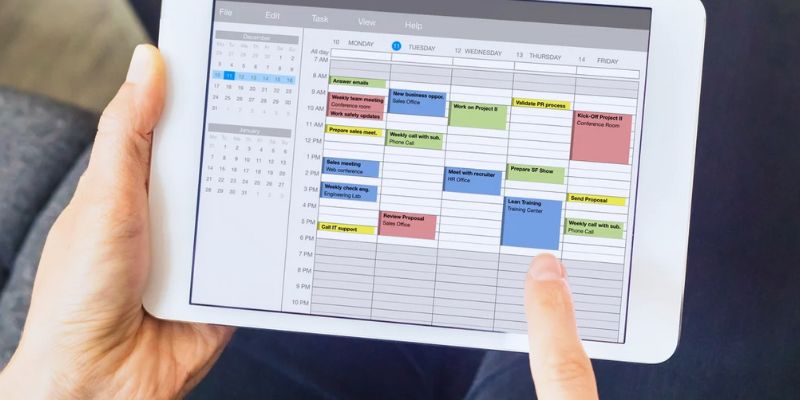
Especially when juggling job responsibilities, meetings, and personal obligations, keeping a hectic schedule can be difficult. This chore can seem especially difficult for those with fluctuating energy levels or persistent medical illnesses. Applying Calendly and other scheduling tools greatly helps streamline this procedure. Calendly lets users sync several calendars in one location, therefore facilitating the management of meetings, appointments, and chores free from double-booking or losing track of significant events.
Key Features of Scheduling Apps:
- Syncing Calendars: Calendly simplifies scheduling by working with tools such as Google Calendar, Outlook, and Zoom. It indicates availability, which helps people schedule time without ambiguity.
- Time Management: These programs show open slots and automatically synchronize activities across calendars, therefore offering clarity. Manual tracking of several schedules becomes less stressful this way.
- Customization: Users can schedule particular times for rest or personal hygiene to make sure their job doesn't compromise their health and well-being.
- Automation: These applications liberate users from the worry of personally managing time by automating scheduling, therefore enabling them to concentrate on activities instead.
Tools like Zapier link several systems for folks who use other calendar apps, facilitating flawless synchronization. They guarantee that timetables remain current and orderly, enabling users to better control their time.
Choosing the Right Accessibility Tech Tools for Your Workflow
Choosing accessibility tools for your job requires you to consider your needs. For effective virtual conference communication, for instance, live captioning is absolutely important. It facilitates easy following for people, particularly in cases of distractions or hearing problems. By offering summaries, action items, and key takeaways, AI meeting assistants like Otter go further and help one concentrate on important issues without having to record thorough notes.
Calendly and other scheduling apps help to effectively manage time, arrange appointments, and prevent double-booking-related stress. These technologies are especially helpful for those with chronic medical illnesses since they provide a balanced work schedule free from burnout. Including the appropriate tools in your process can help greatly lower cognitive strain, increase output, and guarantee better daily operations. The perfect accessibility tool develops with your work style and not only meets your present demands.
Conclusion:
Using live captioning, artificial intelligence assistants, and scheduling apps, among accessible tech tools, will change how work is handled. These instruments not only light cognitive strain but also enhance task organization, time management, and attention span. They let users keep on top of meetings and appointments without getting overburdened, therefore helping to simplify processes. Particularly for individuals with cognitive or health issues, these instruments provide vital assistance to guarantee that employment stays reasonable and efficient. Using the correct tools will help staff members achieve improved work-life balance and more productivity, therefore improving the organization and reducing stress in the workplace.
Related Articles

The 15 Best Lead Management Software and Tools to Boost Your Business in 2025

3 Ways to Automate Fireflies.ai for Streamlined Meeting Transcriptions

The 12 Best Rank Tracker Tools in 2025: Maximize Your SEO Strategy

6 Ways to Automate Security and Identity Tools for a Safer Business

Stay Organized: 5 Smart Ways to Schedule Important Info on Android

Boost Engagement: 8 Ways to Automate Your Email Newsletters and Drip Campaigns

AI in Customer Service: 11 Ways to Automate Support and Boost Efficiency

Transform Your HR Department with These 6 Automation Strategies

3 Essential Accessibility Tech Tools That Make Work More Manageable

The Future of Creativity: The 9 Best Brainstorming Tools in 2025

The Best Flowchart Software and Diagram Tools in 2025: A Comprehensive Guide